Full-Scale Construction Solutions for Every Project
Thorough building solutions are critical for the successful management of any construction endeavor. They facilitate smooth coordination across all phases, ensuring effective communication and coordination among teams. This approach not only minimizes delays but also improves adherence to budgets and timelines. As parties involved pursue higher quality outcomes, understanding the different solutions available becomes increasingly important. What particular factors support a project's success, and how can they be successfully executed?
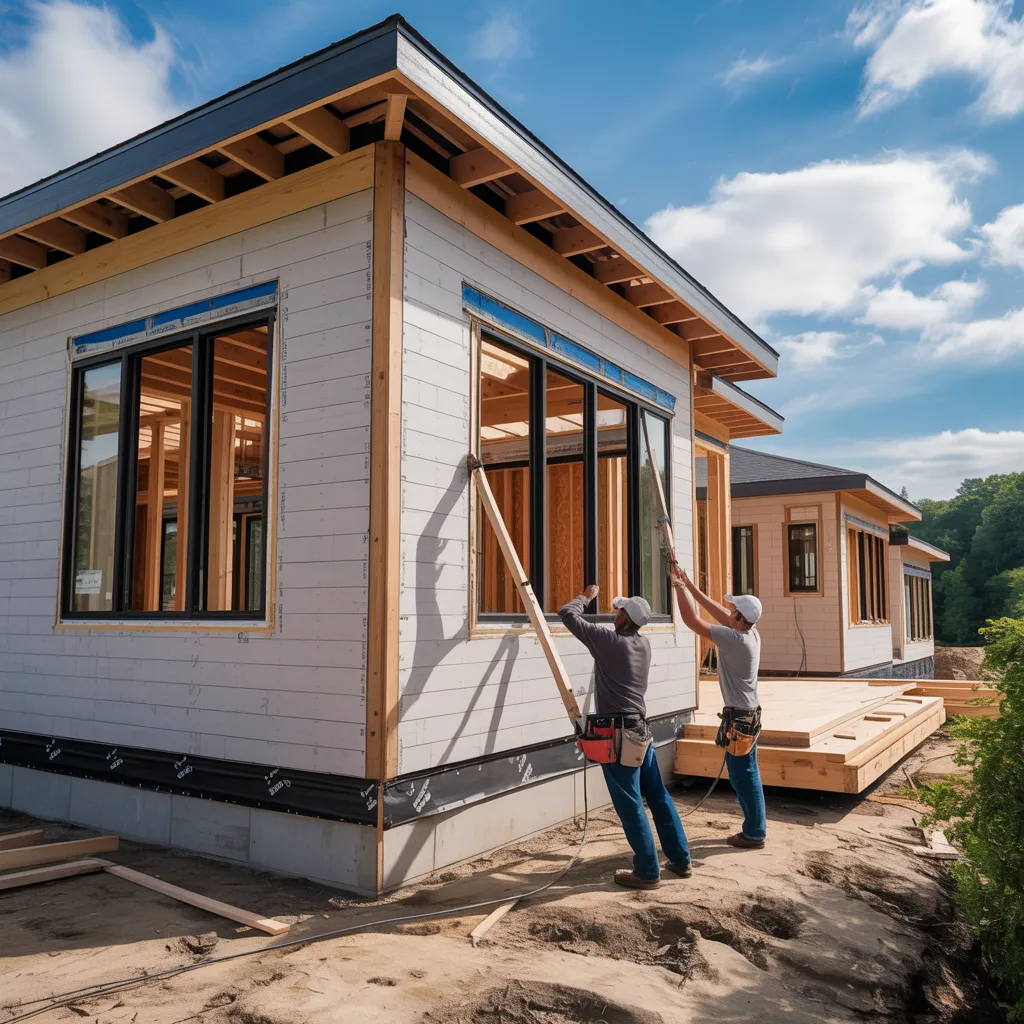
Why Full-Service Construction Services Are Crucial
Comprehensive building solutions are vital because they streamline the construction workflow, ensuring that all work stages are integrated effectively. These offerings encompass a spectrum of activities, including preparation, design, and execution, which advance the project achievement of your project. By orchestrating various teams and resources, comprehensive building solutions minimize the chance of misunderstandings and delays.
Moreover, they encourage compliance with timelines and budgets, tackling potential issues in advance. This level of organization creates a collaborative environment, allowing stakeholders to communicate openly and efficiently.
Additionally, extensive services ensure adherence with local regulations and safety standards, minimizing risks linked with construction activities. Overall, the combination of meticulous construction services enhances project quality, leading to durable and sustainable outcomes. In an industry where precision matters, such services provide the necessary framework for achieving client satisfaction and meeting project goals.
Fundamental Construction Offerings for Homeowners
Homeowners aiming to upgrade their living spaces can reap significant benefits from vital construction services customized for their specific needs. These services encompass a variety of offerings, such as remodeling, renovations, and repairs, which permit homeowners to change outdated areas into modern, functional spaces. Kitchen and bathroom remodels often generate significant returns on investment, improving both aesthetics and utility.
Additionally, exterior work including roof and siding repairs guarantee the home remains protected and attractive. Outdoor landscaping and living space enhancements create pleasant spaces for entertainment and relaxation.
Homeowners can take advantage of sustainable enhancements, which lower utility costs while supporting sustainability. By working with qualified experts, homeowners can manage the complexities of construction projects with ease, assuring adherence to local regulations and timelines. Overall, these vital offerings equip homeowners to realize their visions, ultimately enhancing property value and quality of life.
Important Services for Commercial Building
Throughout commercial construction, strategic project management and optimal material sourcing represent fundamental elements. These services ensure that projects are completed on time and within budget while maintaining high standards. Grasping their significance can contribute to more accomplished construction outcomes.
Project Planning Mastery
When managing the intricacies of commercial construction, effective project management expertise becomes indispensable to secure timely completion and cost management. Skilled project coordinators hold a pivotal position in managing multiple elements of a construction project, such as scheduling, resource allocation, and communication among stakeholders. They leverage advanced methodologies to control risks and adapt to surprising setbacks, maintaining that projects achieve their targets. Via harnessing technology and business intelligence, project managers can strengthen decision-making processes, amplifying efficiency and output. Furthermore, their capacity to nurture collaboration among contractors, architects, and clients proves paramount for aligning expectations and fulfilling objectives. In summary, outstanding project management knowledge operates as the foundation of thriving commercial construction projects, moving projects from conception to completion with attention to detail.
Superior Material Acquisition
Quality procurement of materials represents a vital aspect in the field of commercial construction, directly impacting project resilience and overall success. Effective material sourcing includes choosing superior materials that satisfy specific project requirements while staying within budget constraints. This undertaking often calls for developing strong connections with dependable suppliers to ensure punctual arrival and consistency in quality. Furthermore, knowledge of local regulations and eco-friendly practices serves an essential function in sourcing decisions. By emphasizing quality materials, construction firms can improve structural integrity and minimize extended maintenance costs. In the final analysis, an emphasis on quality material sourcing not only meets a project's immediate goals but also enhances its resilience and durability in a competitive market.
Selecting the Top Construction Services for Your Project?
When choosing construction services, it is essential to establish project requirements precisely to guarantee compliance with objectives. Assessing the qualifications of prospective contractors further improves the probability of a positive result. Careful consideration of such elements can result in a more streamlined and productive construction process.
Set Project Parameters in Explicit Terms
Articulating scope specifications clearly is paramount for picking the most suitable building support. This involves identifying specific project targets, timelines, financial constraints, and necessary materials. A distinctly articulated scope of work helps assure that all stakeholders comprehend mutual expectations. In addition, specifying details about regulatory standards or location considerations can avert potential delays and confusion during the building process. When setting clear criteria early in the process, project directors can relay their specific needs to prospective vendors, enabling wiser decision-making. In summary, comprehensive record-keeping of scope details makes selection more efficient while also creating the groundwork for successful project execution and minimizes the probability of costly revisions down the road.
Evaluate Service Provider Expertise
How can project managers guarantee they choose the most qualified building contractors? Assessing the expertise of prospective service providers is critical. This process begins with examining each contractor's body of work, which showcases past projects and relevant experience. Project managers should also verify permits, credentials, and coverage to validate adherence with industry standards. Collecting recommendations and customer feedback can offer insights into a contractor's dependability and craftsmanship. Furthermore, conducting interviews enables construction leaders to assess communication skills and understanding of assignment requirements. Comparing proposals not only on price but also on scope, timelines, and quality can additionally assist in selection. In the end, a thorough assessment of contractor qualifications establishes the foundation for effective implementation and fulfillment.
Streamlining Your Building Project Productively
To achieve productivity in construction projects, it is essential to implement a systematic approach that reduces delays and optimizes resource allocation. Effective communication among team members is crucial, ensuring that everyone is aligned with project goals and timelines. Leveraging project management software can simplify workflows, allowing for real-time updates and task tracking.
Moreover, applying a incremental strategy permits teams to focus on targeted project phases, lowering the chance of overlapping tasks that can produce bewilderment. Regular progress assessments and changes influenced by performance metrics help discovering emerging obstacles ahead of time.
Setting clear roles and accountabilities supports accountability, compelling teams to meet deadlines without sacrificing quality. Furthermore, engaging in proactive risk management readies teams for unforeseen challenges, enabling swift responses that keep projects on track. By weaving in these strategies, construction projects can achieve greater efficiency, reducing costs and enhancing overall outcomes.
Developing A Construction Project to Be Sustainable and High-Quality
Implementing green initiatives in building projects not only enhances work standards but also minimizes ecological consequences. By integrating sustainable materials and processes, builders can substantially decrease waste and energy consumption. This method not only complies with regulatory requirements but also interests environmentally conscious customers.
Leveraging eco-friendly materials, such as bamboo or recycled metals, strengthens durability while minimizing carbon footprints. Additionally, incorporating energy-efficient technologies, like solar panels and advanced insulation, ensures long-term operational savings and improved building performance.
Working with environmentally certified professionals significantly enhances project standards, ensuring adherence with environmental standards.
Additionally, introducing a waste handling system during the construction timeline can facilitate procedures, reducing costs and environmental harm.
In the end, a pledge toward sustainable practices in construction generates high-quality projects that connect with both stakeholders and the community, explore the facts building a legacy of conscientious building practices. Such devotion not only boosts the reputation of construction firms but also benefits a healthier planet.
Regularly Inquired Questions
What Timeframes are Typical for Construction Initiatives?
Standard timeframes for construction projects vary widely, generally ranging from a few months to several years. Factors influencing duration consist of magnitude, difficulty, permitting processes, weather conditions, and accessibility of resources, influencing overall project completion.
What Should I Do About Unexpected Construction Interruptions?
To handle unforeseen building delays, one should evaluate the circumstances, engage with relevant parties, adjust timelines, and explore solutions. Flexibility and proactive planning can mitigate impacts and keep the project on track despite setbacks.
What Permits Are Essential for Building Projects?
Building undertakings demand multiple licenses, such as building, power, plumbing, and zoning permits. The exact requirements stem from regional ordinances, project scope, and location, making consultation with local authorities vital for adherence and support.
How Is Project Budgeting Handled Throughout Building?
Project budgeting is controlled through continuous monitoring of expenses, updating forecasts based on actual costs, and maintaining communication among stakeholders. This assures synchronization with financial goals and quick recognition of potential overruns or savings.
What Safety Requirements Are Adopted on Construction Sites?
Construction sites implement various safety measures, such as routine safety instruction, utilization of personal protective equipment, visible warning signs, facility assessments, emergency protocols, and compliance with standards to reduce hazards and ensure the well-being of employees.